Service Areas · Castle Pines North
Roofing in Castle Pines North
Castle Pines North is the city's original core, built out between 1985 and 2010 west of I-25, and its roofs are aging on a schedule you can almost set a watch by. Here is where the housing stock stands and how we serve it.
Serving this neighborhood from inside Castle Pines · (720) 924-4814
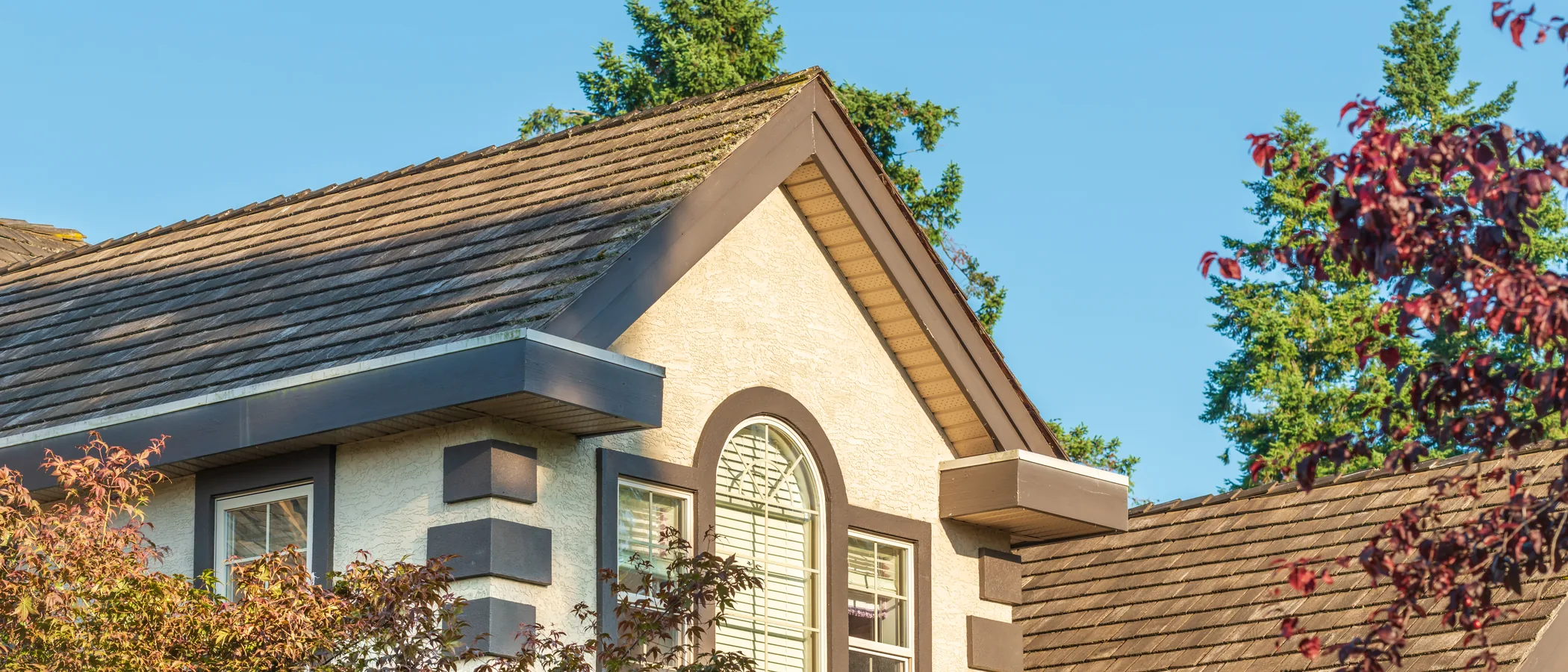
Castle Pines North homes: what 1985 to 2010 construction means for your roof
Castle Pines North runs west of I-25 along Castle Pines Parkway and Monarch Boulevard, and most of it went up between 1985 and 2010. Forest Park sits deepest in the trees, Glen Oaks carries the larger lots, and Buffalo Ridge, Tapestry Hills, Romar West, and Esperanza fill out the map. The common thread is architectural asphalt over wood decking, on homes that are now 15 to 40 years old.
That age range is the whole story for roofs here. A roof installed when the home was built has almost certainly been replaced at least once by now, usually after a hail year. The second-generation roofs that went on in the 2000s and 2010s are themselves reaching the age where granule loss, brittle shingles, and tired flashings start showing up in inspection photos.
Roof replacement timing for Castle Pines North homes
The math is simple and unforgiving. Architectural asphalt in Colorado sun and hail typically delivers 15 to 25 years, and the clock rarely runs the full distance before a storm ends it early. If your roof went on before roughly 2010 and has not been inspected in the last few years, you are flying blind on the most expensive surface of your house.
Tear-off is also when decking from these construction eras gets its first real look in decades. We check for delaminated sheathing, soft spots around penetrations, and panel gaps before the new roof goes down, because covering bad decking wastes a good roof. For the full budget picture, see our Castle Pines roof replacement cost guide; across the Denver metro, most homeowners pay somewhere in the $14,000 to $18,000 range for a typical architectural asphalt replacement.
Pine needles, shade, and ice dams on Castle Pines North roofs
The tree cover that makes Forest Park and the older streets so livable is hard on roofs. Needle mats build up in valleys and behind chimneys, holding moisture against shingles and feeding gutters full of debris. Shaded north slopes hold snow for weeks after a storm, and that is where ice dams form when attic heat melts the underside of the snowpack and the runoff refreezes at the cold eave.
The counter is boring and effective: valleys and gutters cleared each fall, attic ventilation checked, and ice and water shield in the right places at replacement. If you have ever watched a spring snow sit on one slope for two weeks while the other side of the same roof is bone dry, you have seen the mechanism in action. Our pine-lot maintenance guide lays out the full calendar for wooded Castle Pines properties.
Permits and HOA design guidelines in Castle Pines North
Castle Pines North sits inside city limits, so re-roof permits come from the City of Castle Pines Building Department, and the city requires contractors to be licensed with it before a permit is issued. Sub-neighborhood HOAs add their own layer: design guidelines vary from one association to the next, so check yours before committing to a color or material change. Our permit guide covers the city process step by step, including inspection scheduling.
The city calls its re-roof permit the 1-Stop Permit, and no plan-review drawings are needed for a straightforward replacement. Inspections are scheduled by email or phone before 4 p.m. the prior business day, and the contractor has to set a ladder for the inspector, details we handle so you never have to think about them. Fees are valuation-based, with county and city use taxes added on top of the permit itself.
Roofing services in Castle Pines North
This is the neighborhood where we do the most volume, and the work spans everything an aging asphalt stock can throw at a roofer. Every project starts with a free inspection and a written photo report.
- Roof replacement for original and first-replacement roofs now aging out across the 1985 to 2010 housing stock.
- Roof repair for flashing leaks, wind-lifted shingles, and valley wear caught before it spreads to the deck.
- Storm damage and insurance help with hail documentation and claim support after Front Range storm years.
- Roof inspections, the right first step for any roof that predates 2015 or has never had a photo report.
- Gutters and guards sized for pine debris, which this neighborhood produces in every season.
Questions Castle Pines homeowners ask
Across the Denver metro, asphalt replacements commonly run $10,000 to $22,000, and most homeowners pay $14,000 to $18,000 for a typical 2,000 square foot architectural asphalt roof. Tree-heavy lots and steep sections can push labor higher. A free inspection gets you a firm number for your specific roof.
Yes. Castle Pines North is inside city limits, so the City of Castle Pines Building Department issues the re-roof permit, and it only issues permits to contractors licensed with the city. We are licensed, we pull the permit, and we schedule the required inspections as part of every replacement.
Forest Park is the most heavily wooded part of Castle Pines North, and shaded north slopes hold snow for weeks. Attic heat melts the underside, water runs to the cold eave, and it refreezes into a dam. Better ventilation, cleared gutters, and ice and water shield at replacement are the fixes.
After any significant hail or wind event, and every two to three years once the roof passes age ten. Most roofs here date to the 1985 to 2010 build-out or the replacement cycles that followed, so few are young. Our inspections are free and come with a written photo report.
More Castle Pines roofing guides
Want this checked on your own roof?
Free inspection · claim-ready photo report · no pressure