Guides · Materials
Tile Roof Underlayment Replacement in Castle Pines
Concrete tile can outlast the mortgage. The felt underneath it cannot. Here is how tile roofs in Castle Pines fail quietly, and why a lift-and-relay fixes the problem for far less than a new tile roof.
August 2026 · 6 min read · Castle Pines Roofing Co.
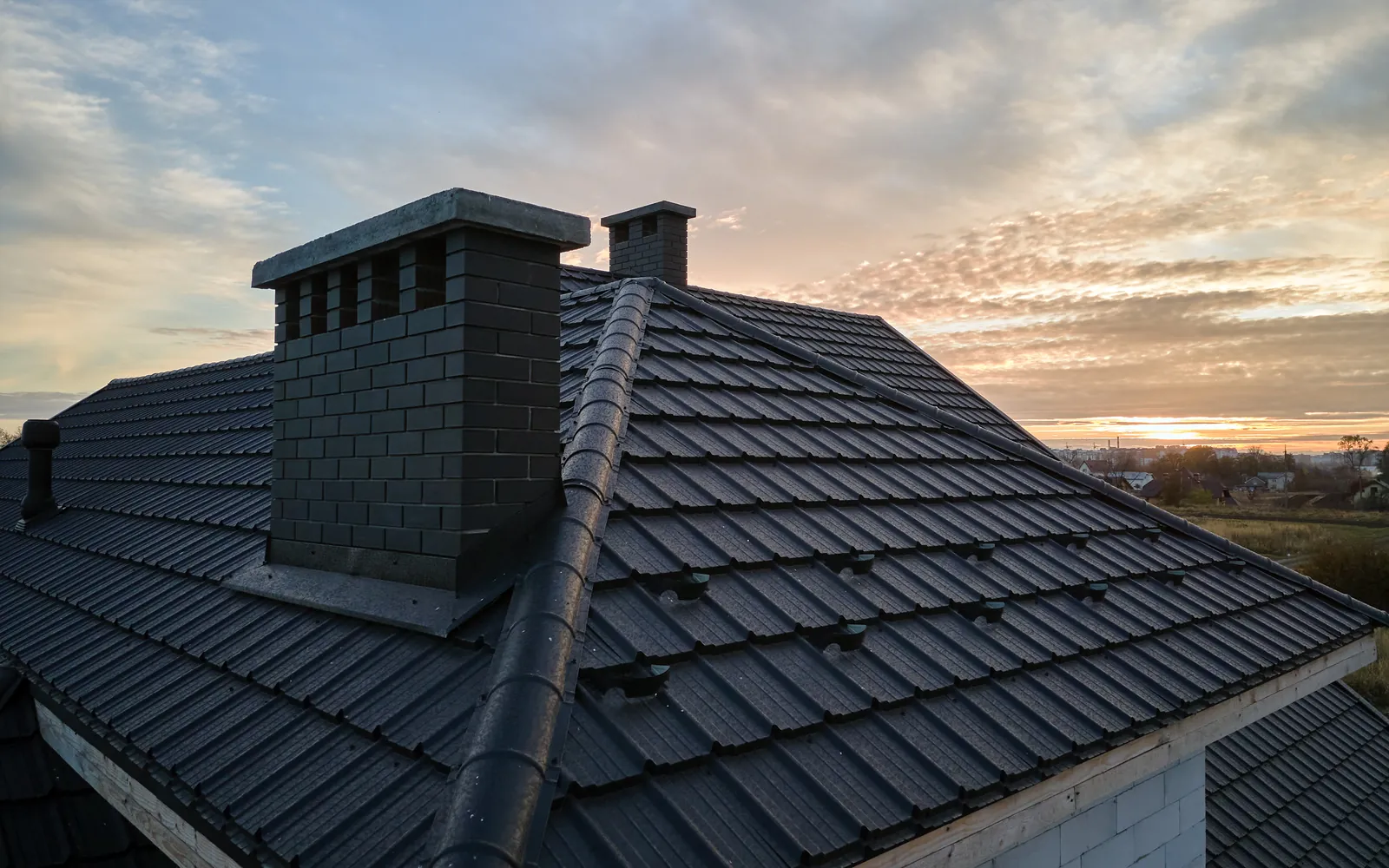
The tile roof paradox: 50-year tile over 25-year underlayment
The tile is not the waterproofing. Concrete and clay tile shed most of the water, take the sun and hail, and genuinely last 50 years or more. But tile roofs are designed with the assumption that some wind-driven rain and snowmelt will get past the tile. The layer that actually keeps your house dry is the underlayment beneath, traditionally asphalt felt, and felt in Colorado conditions typically survives 20 to 30 years. Heat cycling under the tile, moisture, and time break it down while the tile above barely ages. The result is a roof where the visible material has decades left sitting on top of a membrane that is already done. Our guide to roof lifespan in Colorado covers why the gap is wider here than the national numbers suggest.
How a tile roof leaks while looking perfect from the street
Underlayment failure is invisible from the curb. The felt cracks at its laps, around pipes and vents, and in the valleys where water concentrates. Moisture then tracks along battens and decking before it ever shows inside, so the first sign is often a ceiling stain far from the actual entry point, or rotted decking discovered years after the leak started. Watch for interior stains that appear after wind-driven storms, granular felt debris washing into gutters, and slipped or cracked tiles that expose the membrane to direct sun. By the time water shows up in the house, decking repairs are usually part of the job. An attic check with a flashlight after a hard storm is worth more than a decade of looking at the roof from the driveway.
What a lift-and-relay tile underlayment replacement involves
The tile is salvaged, not scrapped. A relay crew lifts the existing tile and stages it, tears the old underlayment off down to the deck, then inspects and repairs the decking while it is exposed. New underlayment goes down with proper laps, new flashings, and new pipe boots, then the original tile is re-laid in place. Some breakage is normal, and a good crew salvages the large majority and replaces broken pieces with matching tile, sourced from salvage suppliers when a profile has been discontinued. Done right, you get a functionally new roof under the same roof you have always had, and the neighbors never know anything happened.
Village at Castle Pines tile roofs and the underlayment window
Much of the Village's estate stock went up in the 1990s and 2000s, and tile has always been a signature material on those homes. If the original felt is still up there, those roofs are now 20 to 35 years in, which is exactly the window where underlayment gives out. Two local wrinkles matter. Exterior changes in the Village, roofs included, go through the Village's design review, so confirm the process before work starts; a relay that reuses your existing tile is usually the simplest path through. And because the Village is unincorporated Douglas County, the permit comes from the Douglas County Building Division rather than the city.
Synthetic vs felt underlayment on a tile relay
If you are paying to lift the tile once, put something better underneath it. Modern synthetic underlayments rated for tile are tougher than felt, handle the heat that builds under tile far better, and carry longer rated service lives, so the next relay lands further out. We also run self-adhering ice and water membrane at the eaves and in the valleys, where Colorado snowmelt does its worst, consistent with the 2021 codes used across the area. Felt is still the cheaper line item, but on a job where labor is most of the cost, saving a few hundred dollars on the membrane is the wrong place to economize.
Tile underlayment replacement cost vs a full tile roof replacement
The tile is the expensive part, and you already own it. Because a relay reuses the material that drives most of the price of a tile roof, it typically comes in at a fraction of full replacement, and tile, slate, and metal systems all run well above asphalt in Denver-metro pricing to begin with. Our breakdown of tile, slate, and metal roof costs in Castle Pines puts numbers around that. If your tile roof is in its third decade, schedule a free inspection. We will photograph the underlayment condition at the eaves and valleys and give you a written read on how much time is left.
Questions Castle Pines homeowners ask
Age is the first indicator: felt underlayment typically lasts 20 to 30 years, so a 1990s or 2000s tile roof is in the window. Confirming signs include ceiling stains after wind-driven storms, felt debris in gutters, and daylight or brittle black membrane visible under slipped tiles. An inspection settles it.
Yes, that is the whole point of a lift-and-relay. The crew lifts and stages your tile, replaces the underlayment and flashings beneath it, then re-lays the same tile. Some pieces break during handling, and those are swapped for matching tile, often from salvage suppliers if the profile is discontinued.
Yes for a full relay. Inside city limits the City of Castle Pines Building Department issues the re-roof permit and requires the contractor to be licensed with the city. In the Village, which is unincorporated Douglas County, the permit comes from the county instead, and repairs under 100 square feet are exempt.
Want this checked on your own roof?
Free inspection · claim-ready photo report · no pressure