Services · Tile, Slate & Metal
Tile, Slate & Metal Roofing in Castle Pines, CO
The materials the Village expects and the modern builds in The Canyons ask for: profile-matched tile, Class 4 synthetic slate, standing seam metal and copper detail, installed to review-board standards.
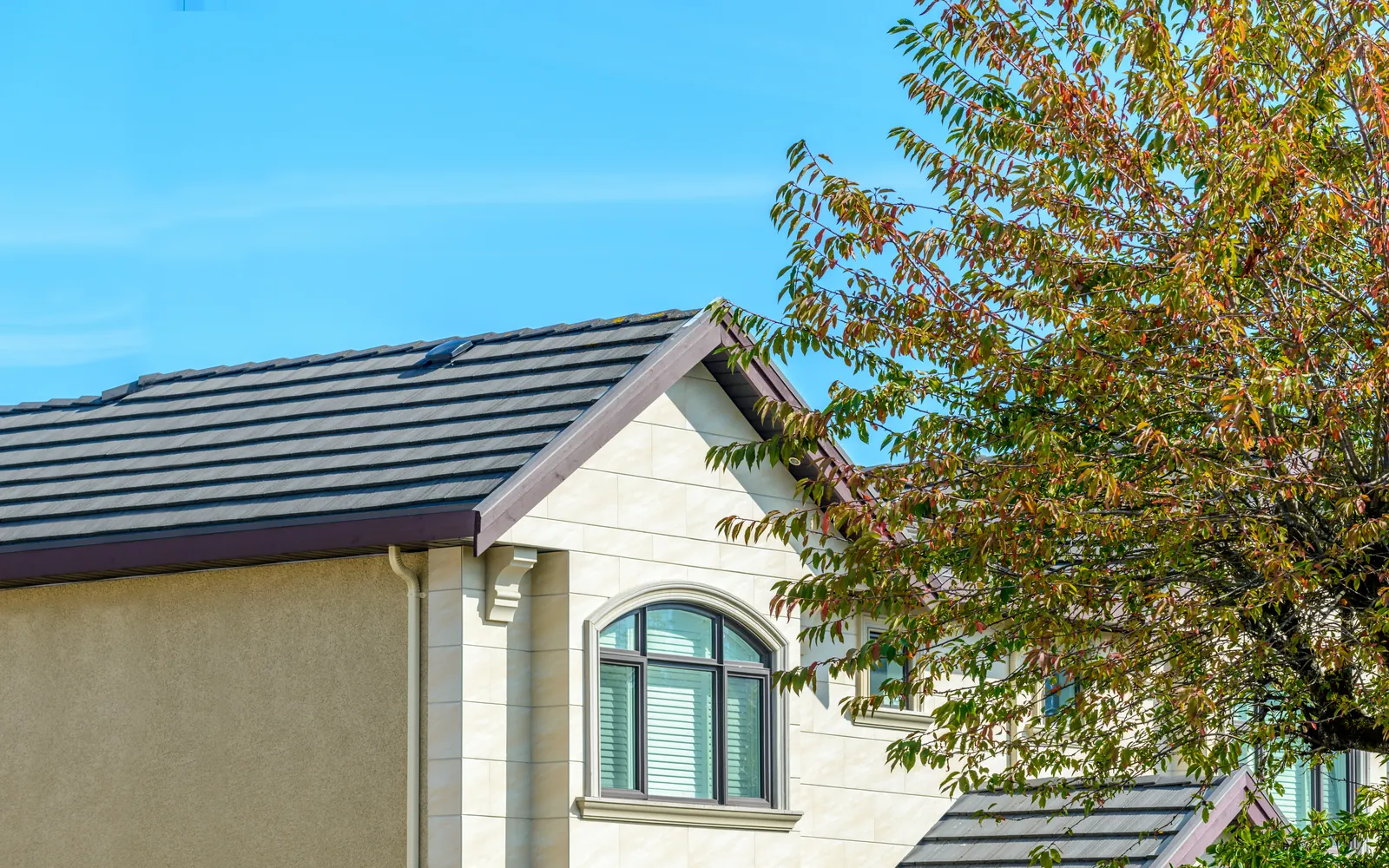
Tile, slate & metal roofing we install and repair
- Concrete and clay tile: repair, re-set, relay and full replacement
- Profile matching for discontinued tile lines
- Class 4 synthetic slate with the estate look and a hail rating
- Standing seam metal engineered for snow shed and knoll-top gusts
- Copper valleys, ridge caps and accent work
- Village architectural review submittals prepared and shepherded
- Douglas County permits for Village addresses, city permits in town
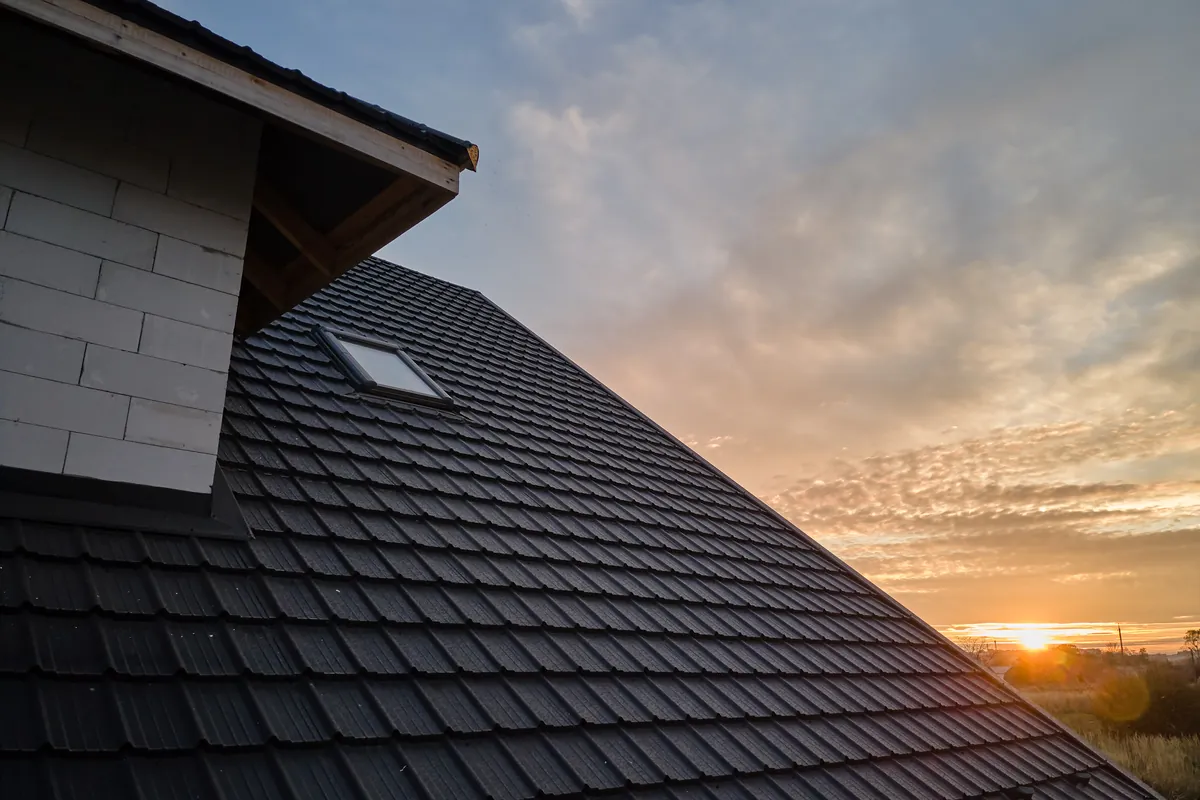
Premium roofing materials, Castle Pines rules
The Village at Castle Pines runs its own architectural review for exterior work, and roofing sits squarely inside it. Material, color and profile get approved before the job starts, and the luxury housing stock behind the gate wears tile, slate, copper and metal far more than basic asphalt. If your roofer’s plan starts with a shingle brochure, they have not worked the Village before.
Tile work is its own trade. Walking a tile roof wrong breaks more than it fixes, re-setting slipped tile takes the right foam and fasteners, and matching a twenty-year-old discontinued profile is a sourcing job before it is an installation job. Our crews do all three, and we photograph the roof before and after so the review board and your records both stay happy.
For hail country, Class 4 synthetic slate is the quiet winner: the estate look from the street, a UL 2218 impact rating in the lab, and a weight the existing structure can usually carry without engineering work. Many Colorado carriers discount premiums for it; we produce the certification paperwork.
Choosing between tile, synthetic slate and standing seam
The three premium lanes solve different problems, and the right pick usually falls out of three questions. What does the review board expect on your street? Material, color and profile get approved before anything is ordered, and continuity with the neighborhood is the board’s job; we prepare submittals that pass because they respect that. What does the structure carry? Concrete tile is heavy and the framing has to be right for it; Class 4 synthetic slate delivers the estate look at a weight most structures already handle; standing seam is the lightest of the three. And what does the site do in weather? Knoll-top lots that take the wind first favor mechanically seamed metal engineered for gusts; homes under heavy pine cover want surfaces and valleys that shed needles rather than hold them; and everything here lives in the hail corridor, which is where synthetic slate’s UL 2218 rating and tile’s repairability both earn their keep. We quote the lanes side by side with the insurance math attached, because at this tier the material decision is a decade decision.
The truth about tile roofs: the underlayment is the roof
Tile is armor, not waterproofing. The membrane underneath does the actual work, and it ages on its own clock regardless of how immortal the tile above it looks. A tile field in its third or fourth decade often needs a relay: tile lifted and stacked, underlayment and flashings replaced, the same tile re-set with correct foam and fasteners. Done right, a relay buys decades and keeps the review-board-approved look your street already has; done wrong, or walked wrong, it breaks more than it fixes, which is why tile crews are a trade and not a line item. Cracked and slipped tile repairs matter for the same reason: every gap in the armor puts UV and water onto the membrane, spending its life early. If your tile roof has never had the underlayment conversation, that is the inspection to book before the next storm season, not after. Timing a relay is mostly about beating the failure, not chasing it: the roof that gets relaid the season the underlayment starts printing through is a planned project with review approval and material sourcing done calmly, while the roof that waits for interior stains is an emergency wearing an estate material, and emergencies at this tier are expensive in exactly the ways planning is cheap. Our inspection reports grade the membrane’s remaining life in plain terms so the relay lands on your calendar, not the weather’s.
Hail claims on tile, slate and metal roofs
Premium materials change the insurance conversation, and homeowners deserve to know how before the storm rather than after. Tile claims turn on corner and edge cracks that read as “wear” to an adjuster who rarely works estate stock; our documentation photographs each crack against its impact pattern so the distinction holds. Metal roofs collect cosmetic dents that may sit inside a cosmetic-damage exclusion if your policy carries one, which is a paragraph worth reading today, not at claim time. Class 4 synthetic slate is the clean case: the certification paperwork we file at close-out is exactly what carriers ask for, both for the premium discount and for any later claim. And on every premium roof, replacement cost coverage matters more than on shingle, because the gap between depreciated value and real replacement cost at this tier is wide enough to fund the whole argument. We read declarations pages with owners for a reason.
Snow, wind and the details that finish a premium roof
At this elevation the detail work is not decoration. Standing seam sheds snow in sheets, so panel layout gets planned with snow retention over entries, walkways and gas meters, because a roof that dumps its load onto the front step traded one problem for another. Valleys and dead zones under pine cover get metal and geometry that shed needles instead of composting them. Copper valleys, ridge caps and accents earn their premium twice, in service life and in the way a review board reads a submittal that includes them. And every penetration, vent and sidewall gets flashed to the standard the material deserves, because the most common failure we see on premium roofs is ordinary flashing work under extraordinary material, a false economy that costs its own savings several times over by the second winter. The close-out folder ships with the photo record, the review paperwork and the registered warranties, the file a Village buyer’s agent will one day ask for. At this tier the roof is a documented asset, and we treat the documentation as part of the build rather than an afterthought, because ten years from now the folder is the only crew member still on the property.
Your tile, slate or metal roof, step by step
Village review first
Village submittal prepared and approved.
Douglas County permit
County for the Village, city in town.
The tile & metal build
Specialist crews, protected landscaping.
Final inspection sign-off
Inspection passed, review closed out, warranties filed.
More roofing services in Castle Pines
Your roof should look like it belongs behind the gate.
Tile · slate · metal · copper · review-board ready