Guides · Process & Maintenance
What a Roof Inspection Report Includes in Castle Pines
A real roof inspection produces a written, photo-backed report you can hand to an insurance adjuster or file away for years. Here is what a thorough one includes, and how to read anyone else's.
August 2026 · 6 min read · Castle Pines Roofing Co.
What a slope-by-slope roof inspection covers in Castle Pines
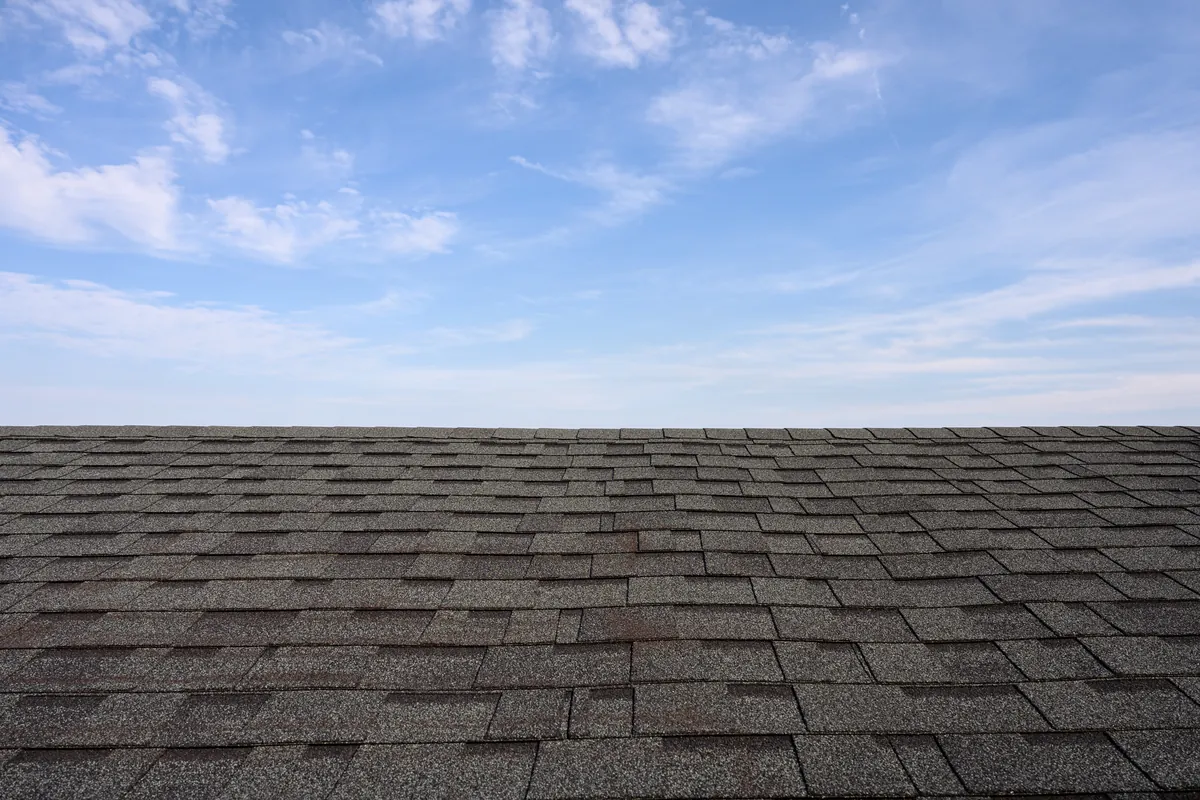
A real report is organized by slope. Hail almost never hits a roof evenly. A cell moving across Douglas County can bruise the south and west slopes hard and leave the north face nearly untouched, so a report that treats the roof as one thing is already hiding information. A proper inspection documents each slope separately: overview photos, close-ups of representative damage, and a count of hail strikes inside a marked test square, so the density of damage is on record and not just its existence.
Soft metals come next. Vents, flashings, gutters, and downspouts are thin aluminum that dents at hail sizes shingles can sometimes shrug off, which is exactly why insurance adjusters check them first. Dented soft metal is the fingerprint of a hail event. A thorough report photographs those dents along with every penetration that actually keeps water out: pipe boots, skylight perimeters, chimney flashing, valleys, and the step flashing where a roof meets a wall.
Where there is attic access, the inspection should go inside too. Water stains on the underside of the decking, daylight at penetrations, crushed or damp insulation, and rusted nail tips all show up from below long before anything shows up on a ceiling. The report closes with a condition rating for each major component, so you can see at a glance what is sound, what is aging, and what needs attention this year.
Claim-ready roof inspection reports vs drive-by quotes
There is a difference between an inspection and a sales call with a ladder. A drive-by quote is ten minutes in the driveway and a number on a page. A claim-ready report is dated, addressed, photo-backed evidence: per-slope images, chalked close-ups, soft-metal documentation, and measurements. If you ever file a claim, your adjuster works from evidence instead of memory, and disagreements get settled by photographs rather than by whoever sounds more confident on a phone call. The same file protects you if a dispute surfaces months later, when the roof has been repaired and nobody can go look anymore.
Why a clean roof inspection report is worth keeping
A no-damage finding is not a wasted visit. A dated report showing a healthy roof is a baseline, and baselines win arguments. Carriers routinely push back on hail claims by calling damage old wear, blistering, or foot traffic. If you can produce a report from last spring showing clean shingles and undented vents, the fresh hits in this year's photos are very hard to dismiss. We cover how that evidence gets used in our guide to hail claim documentation in Colorado. Every free inspection we run comes with a written photo report either way, so the file exists whether or not you ever need it.
How to read the recommended scope without getting upsold
The recommended-scope section is where honest reports and sales documents part ways. The logic should be visible on the page. Damage confined to one slope, a failed pipe boot, or a few wind-lifted shingles points to targeted repair. Functional hail damage spread across multiple slopes, or localized damage on a roof already near the end of its service life, points toward replacement, because patching a dying roof buys very little time for the money.
Be suspicious of a report where every finding, large or small, funnels to the same full-replacement conclusion. Ask what each line item does and what happens if you wait a year. A good inspector can answer both in plain terms. If the answers are all urgency and no mechanism, get a second opinion before signing anything.
What happens after a roof inspection in Castle Pines
Three paths, none of them automatic. If the roof is sound, you keep the report and we see you after the next serious storm; a free inspection carries no obligation. If we find storm damage, the report becomes the backbone of an insurance claim, and we meet the adjuster on site with the same photos you have. If we find wear items rather than storm damage, you get a maintenance list ordered by priority, which pairs naturally with the maintenance schedule we recommend for the city's pine-heavy lots. You choose the path. The report is yours either way.
Red flags in other companies' roof inspection reports
A few patterns should end the conversation:
- No per-slope photos. If the report is a paragraph of text and one wide shot from the street, there is nothing in it you or an adjuster can verify.
- Damage that only appears after insurance comes up. The findings should not change when the payer does.
- Pressure to sign an agreement before you have seen the report. Evidence first, signatures later.
- Offers to cover or waive your deductible. That is illegal under Colorado's residential roofing law, and it tells you how the rest of the job will be run.
- Scare language without mechanism. A roof is failing somewhere specific, or it is not failing. There should be a photo of the somewhere.
A good inspection report survives being read by a skeptic. That is the standard to hold every roofer to, including us.
Questions Castle Pines homeowners ask
No. The exterior portion only needs access to the yard, and most homeowners simply receive the report by email afterward. Being home helps if you want the attic documented, since interior access lets the inspector photograph decking and ventilation from below, and it gives you the chance to walk the findings together.
Most residential inspections run 45 to 90 minutes depending on roof size, pitch, and whether the attic is accessible. Steep or tile roofs take longer to walk safely. The written photo report typically follows the same day or the next business day, sooner when an adjuster meeting is already on the calendar.
No. The report documents condition: photos, findings, and component ratings. An estimate prices a scope of work. A trustworthy estimate is built on top of a report, so every line item traces back to a documented finding. If someone hands you a price with no findings behind it, ask for the evidence.
More Castle Pines roofing guides
Want this checked on your own roof?
Free inspection · claim-ready photo report · no pressure