Blog · Storm record
The Castle Pines hail record, 2016-2026
Search NOAA for hail in Castle Pines and you get nothing. That is a quirk of how storms are logged, not evidence your roof is safe. Here is the honest record.
August 2026 · 6 min read · Castle Pines Roofing Co.
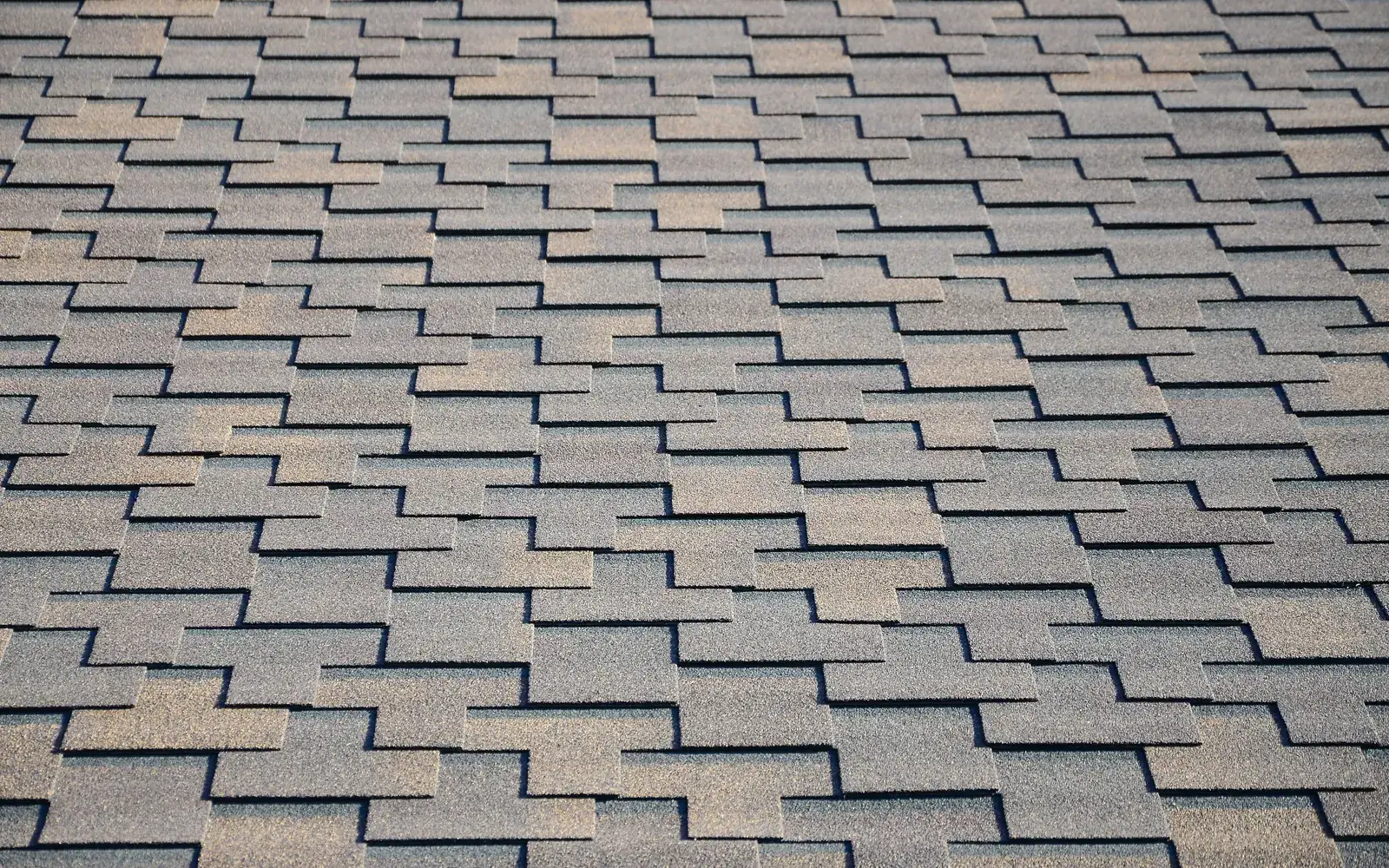
Why the record looks empty. NOAA’s Storm Events Database logs hail by the nearest named place, and no reporting station sits inside Castle Pines city limits. The town’s weather history lives under its neighbors’ names: Castle Rock eight minutes south, Highlands Ranch across the county line north, Sedalia and Louviers on the west edge. When those stations log hail, Castle Pines roofs were in the same weather.
The events that matter, from NOAA Storm Events (Douglas County, hail 1.00″ and larger) plus NWS-relayed reporting for 2026:
| Date | Hail size | Logged at | Relative to Castle Pines |
|---|---|---|---|
| Jun 8, 2026 | 2.50″ reported | Castle Rock / The Pinery corridor | Just south |
| Apr 26, 2024 | 1.00″ | Louviers | West edge |
| Jun 22, 2023 | 1.00″ | Sedalia | Southwest |
| Jun 8, 2019 | 2.50″ | Castle Rock | 8 minutes south |
| Jun 6, 2016 | 1.75″ | Highlands Ranch | North neighbor |
The two entries that should get a Castle Pines homeowner’s attention are the bookends: June 2019, when Castle Rock logged 2.50 inch hail, and June 2026, when a storm corridor ran from Jefferson County through Castle Rock and The Pinery with reports in the same class. Hail that size does not respect city limits drawn eight minutes apart. The June 2026 rows publish to the federal database this fall; the damage on roofs does not wait for the paperwork.
What hail actually does up here. Impacts of an inch and above bruise asphalt shingle: the mat fractures under the granules without visibly tearing. From the driveway the roof looks fine. Two winters of freeze-thaw later, the fractures become leaks, and by then the insurance claim window for the storm that caused them has often closed. Tile fares differently but not better: impacts crack tile at the corners and edges, and cracked tile sheds water into the underlayment, which then does the aging the tile was supposed to prevent.
Shingle, tile and metal in the same storm. One corridor, three damage signatures. Asphalt shingle bruises: mat fractures under the granules that a thumb finds before an eye does, with the leak arriving one to three winters later. Tile cracks at corners and edges, and every crack is a hole in the armor that lets UV and water start aging the underlayment doing the real waterproofing. Metal dents, and whether dents are a covered loss depends on whether your policy carries a cosmetic-damage exclusion, a paragraph worth locating today. The practical consequence: the same storm can total one neighbor’s roof, crack a dozen tiles on the next, and leave the third with an argument about cosmetics, which is why per-address inspection beats per-town assumption in both directions, and why our reports name the material’s failure mode instead of waving at “damage.”
How to read bracketing stations for your own address. Three notes make the table above useful rather than just official. First, distance: the stations that log Castle Pines weather sit minutes away in every direction, and a hail core wide enough to put 2.50 inch stones on Castle Rock is wide enough to have crossed the ridge into this town; treat neighbor rows as your rows unless an inspection says otherwise. Second, direction matters: Palmer Divide storms generally organize on the high ground south and west and drift north and east, which is why Castle Rock, Sedalia and Louviers entries deserve more of your attention than the same sizes logged far north. Third, absence of a row is not evidence of absence: reports need a reporter, and a fast evening cell over a quiet neighborhood can under-report even at damaging sizes. The honest use of the database is corroboration, matching bruises somebody photographed on your roof to a date the record supports, and that pairing is precisely what an adjuster is looking for.
The seasonal shape of the record. Line up the dates and a calendar falls out: June 6, June 8 twice, June 22, with April on the early shoulder. Palmer Divide hail is a late-spring and summer phenomenon, built on afternoon convection, and June owns the record on both bookend years, 2019 and 2026 sharing the same June 8 calendar date seven years apart. That rhythm is worth using. A spring inspection lands before the season rather than during it; a planned replacement scheduled for April or May finishes before the highest-frequency weeks; and a quiet August means the season is ending, not that the pattern retired. The gaps between damaging events here run a few years at most, which makes hail preparation a maintenance rhythm, not an emergency skill.
What the bookends mean when you buy your next roof. A record with 2.50 inch entries at both ends of a decade is not a coin flip; it is a design condition. Buy the next roof for the table above, not for the brochure: UL 2218 Class 4 shingle turns the common inch-class events into cosmetic days, Class 4 synthetic slate does the same at estate grade for Village addresses, and either one comes with insurance credits that work against the upgrade cost every year the roof is on the house. The cheapest moment to make that decision is when a claim or an age-out is replacing the roof anyway, and the most expensive moment is the June afternoon after you postponed it. The full insurance math lives in our Class 4 guide; the short version is that on this record, resilience is usually the arithmetic winner, not the premium option, and the table above is the reason why.
The storm file worth keeping. Insurance disputes are mostly documentation disputes, and the winning homeowner file is small: the dates of the corridors above that touched your years in the house, ground-level photos of the house and its soft metals after each one, every professional inspection report including the clean ones, and your declarations page with the wind-hail deductible highlighted. The clean-bill reports pull surprising weight, because a dated report showing no damage in 2024 is what proves that bruising found in 2026 belongs to the 2026 storm and not to some older event a carrier could argue away. Ten minutes of filing per season is the entire cost, and when a corridor finally crosses your roof, that folder is the difference between a claim built on evidence and a negotiation built on memory. Keep it with the house’s closing documents, and make the roof’s own paperwork, scope, permit record, registered warranties, its first page.
What to do with this record. If your roof has not been inspected since June 2026, that is the whole to-do list. A slope-by-slope inspection with photos, matched to the storm dates above, either clears your roof or starts a documented claim while the window is open. We do that inspection for free, and the report is yours whether or not there is a claim in it.
Want this checked on your own roof?
Free inspection · claim-ready photo report · no pressure