Blog · Insurance
Class 4 Shingles and Your Colorado Insurance Bill
In hail country, the shingle you choose changes your insurance math for the life of the roof. Here is how Class 4 ratings, carrier discounts and Colorado’s deductible rules actually work.
July 2026 · 5 min read · Castle Pines Roofing Co.
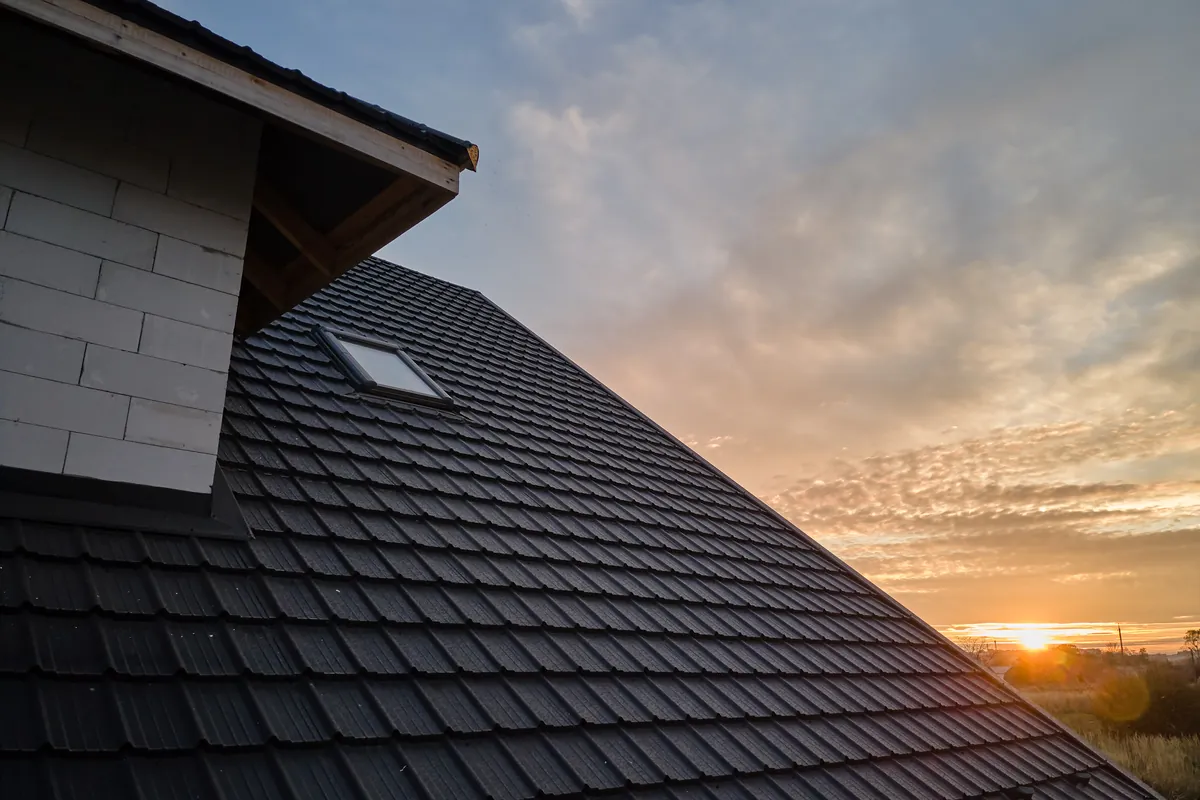
What Class 4 means. UL 2218 is the impact-resistance standard for roofing: a steel ball dropped from height, twice in the same spot, at increasing sizes. Class 4, the top rating, means the material took a 2-inch steel ball strike without cracking. That is roughly the energy of the hail that Castle Rock logged in June 2019, minutes south of Castle Pines.
The discount. Insurers price Colorado roofs for the hail they expect to replace. A roof that survives hail changes that math, and many Colorado carriers offer premium discounts for certified Class 4 roofs, industry sources report 15% to 35% off the dwelling portion of the premium, varying by carrier and policy. On a Castle Pines home, where dwelling coverage runs high, that discount compounds year after year for the life of the roof. Ask your agent specifically what your carrier offers; we supply the certification paperwork they will ask for.
The catch worth knowing. Some carriers pair Class 4 discounts with cosmetic-damage exclusions, meaning dents that do not cause leaks may not be covered on metal or some Class 4 products. Read what you sign, and ask the question directly: “Does this discount change what hail damage you will pay for?”
While we are talking insurance, two Colorado rules to keep handy. First: it is illegal for a roofer to waive or cover your deductible. The “free roof, we’ll eat the deductible” pitch is insurance fraud with your signature on it. Second: when an insurance claim is involved, you have the right to rescind a roofing contract within 72 hours of signing. A roofer who pressures you past either rule has told you everything you need to know.
The math, worked through for a Castle Pines roof. Run the pieces in order. A standard architectural replacement here anchors in the metro’s $14,000 to $18,000 band, with Castle Pines homes often above it on size alone. The Class 4 step-up is a fraction of that number, smallest when a claim is already funding the base roof and you pay only the difference. Against it sits a recurring credit, industry sources report 15% to 35% off the dwelling portion of the premium, on dwelling coverage that runs high in this zip code, plus the deductibles you never pay for the storms the roof shrugs off, in a corridor where damaging hail returns every few years. The upgrade usually clears its cost well inside the roof’s life, and the spreadsheet does most of the arguing. Where it does not: roofs near end of life that a claim will replace soon anyway, and homes selling within a year or two. Your carrier’s actual credit, confirmed in writing, is the number that decides it, and we ask for it with you during the quote.
How products earn the rating, and why it matters at repair time. Manufacturers reach Class 4 two ways. Most impact-rated shingles use polymer-modified asphalt, rubberized SBS blends that flex under a strike instead of cracking, so the mat absorbs the hit the way a cutting board absorbs a knife. Synthetic slate gets there differently: engineered polymer tiles that carry the rating in the material itself while reading as estate slate from the street, which is why it is the crossover answer for Village addresses whose review board would never approve a shingle brochure. Both install in ordinary architectural profiles or premium looks, and both matter at repair time, because a Class 4 field patched with non-rated material is no longer the roof your discount was certified against. We note the product line and lot in the close-out folder for exactly that reason; the paperwork follows the roof for its whole life.
Beyond the shingle: rating the rest of the roof. The discount conversation usually stops at the field material, but hail does not. Vents, flashings and gutters take the same storm, and hardware that no longer sheds water is function, not cosmetics, whatever the endorsement says about dents. When we build a Class 4 roof we spec impact-tolerant accessories to match, heavier-gauge vents, properly hemmed flashings, gutters hung to survive the load path, because a rated field draining through crushed hardware is a certification with an asterisk. It also reads better at claim time: an adjuster who sees a roof built consistently to an impact standard treats the whole file more charitably than one that finds a premium shingle stapled to builder-grade everything else. Ask any bidder what the accessory package is rated for; the pause tells you plenty.
The cosmetic exclusion, read slowly. The endorsement that sometimes rides along with the discount excludes damage that is “merely cosmetic,” dents and marks that do not compromise function. On a Class 4 roof that trade can be rational, the product is engineered to stay functional through exactly the storms that would only mark it, but it is a trade, and it shifts the burden of proof. With the exclusion in place, a future claim must show functional damage, which makes dated documentation of your roof’s condition worth real money: a clean-bill inspection report from before the storm is what keeps “pre-existing” and “cosmetic” from doing all the adjuster’s arguing. Get the discount quote and the endorsement language in the same email from your agent, read them together, and file both with the certification paperwork we hand you at close-out.
Proving the rating, step by step. The discount is real only if the paper trail is. Before the roof: ask your agent in writing what credit applies to a certified Class 4 roof on your specific policy. During the build: the scope names the product line and class, and we photograph the bundle wrappers, the evidence underwriters actually ask for, before they leave in the dumpster. At close-out: you receive the completed certification form with the permit record attached. At renewal: check the declarations page actually shows the credit, because paper promises have a way of missing the first renewal, and the fix is one phone call when you catch it early. When the answer is no. Nobody should replace a healthy mid-life roof to chase a discount; the payback math only works when a replacement is happening anyway, which is why the honest moment for this conversation is a hail claim or an age-out, not a cold pitch. We will tell you which side of that line your roof is on for free.
Bottom line for Castle Pines. If a hail claim is already replacing your roof, upgrading to Class 4 at the same time is usually the cheapest that upgrade will ever be, the claim covers the base roof, you pay only the difference, and the discount starts working immediately. It is the rare roofing decision where the spreadsheet does most of the arguing.
Want this checked on your own roof?
Free inspection · claim-ready photo report · no pressure