Our work · Village tile re-roof
Anatomy of a Village Tile Re-Roof in Castle Pines
Every roofing company shows you glamour shots. Here is the part they skip: what a tile re-roof behind the gate actually involves, start to finish.
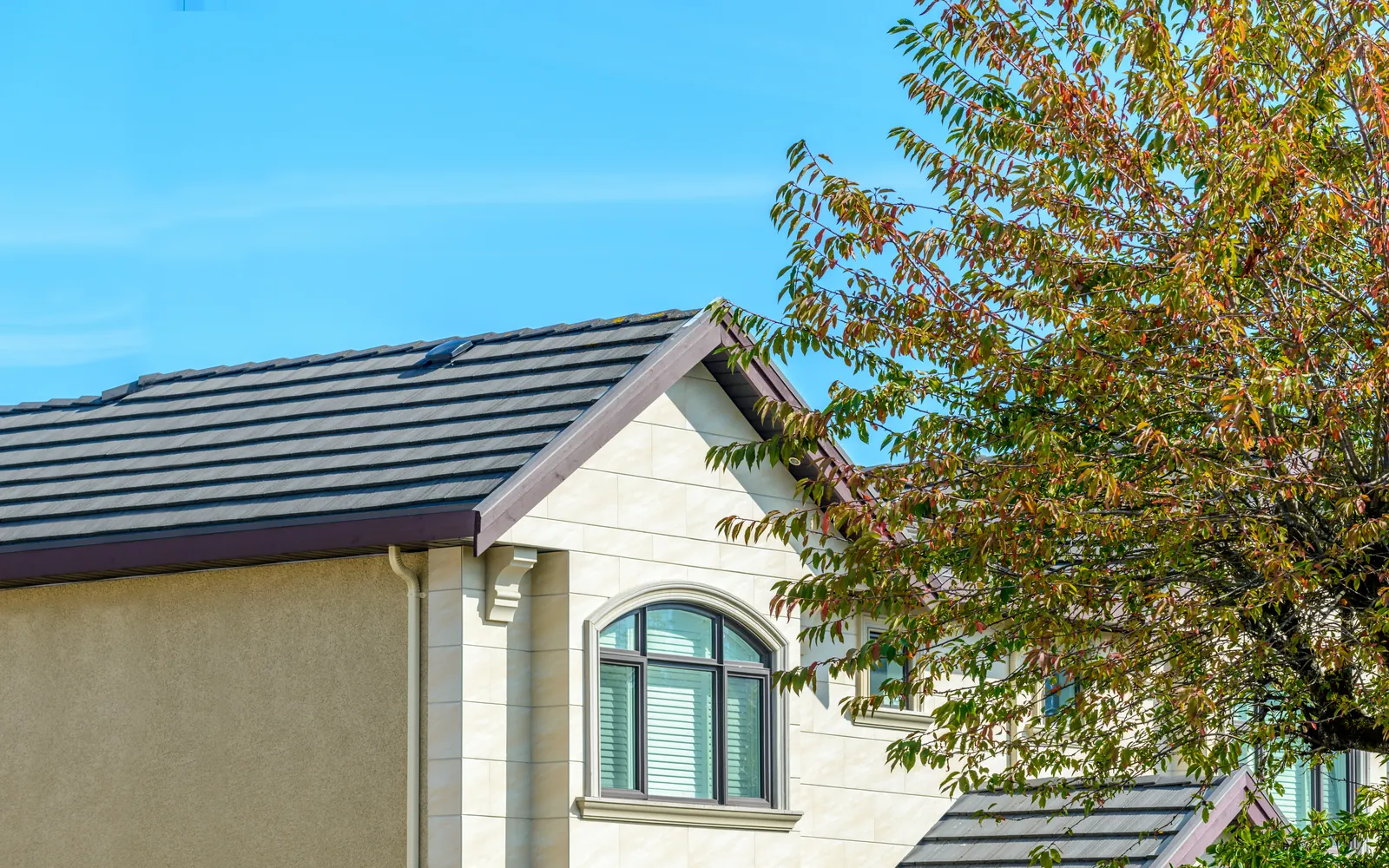
Step one is not a ladder, it is paperwork. The Village at Castle Pines is unincorporated Douglas County, so the job needs two approvals before it starts: the Village architectural review, which signs off on the tile profile, color and any visible metal, and the Douglas County building permit, issued per structure. Skipping the review to save a week is how projects get red-tagged in front of the neighbors.
Sourcing is half the job. Many Village roofs wear tile lines that have not been manufactured in a decade. A re-roof that reuses sound field tile and sources matched replacements for the broken pieces preserves the original look and keeps the review board happy. That means counting, palletizing and protecting existing tile during tear-off instead of sledding it into a dumpster.
The deck tells the truth. County rule requires full tear-off to the deck, no overlays, and that is when the real condition of a thirty-year-old roof shows. Soft decking gets replaced, ice barrier and underlayment go down to the 2021 code the county inspects against, and battens are re-set for the tile courses.
Copper is the signature. Valleys, ridge caps and flashing in copper are what read as “estate” from the street and what the luxury stock behind the gate expects. It costs more than painted steel and outlives it by decades.
Close-out is a folder, not a handshake. County final inspection passed, review closed out, manufacturer warranty registered, workmanship warranty in writing, photo record from first tarp to last tile. That folder follows the house: your insurance carrier and your eventual buyer will both ask for it.
Have a tile roof behind the gate?
Tile-trained crews · review submittals handled · free inspection