Guides · Permits & Code
Ice and Water Shield Code Rules in Colorado
Ice and water shield is the membrane that keeps snowmelt out of your ceilings when ice dams form at the roof edge. Here is what the 2021 code expects, and where good crews put it anyway.
August 2026 · 6 min read · Castle Pines Roofing Co.
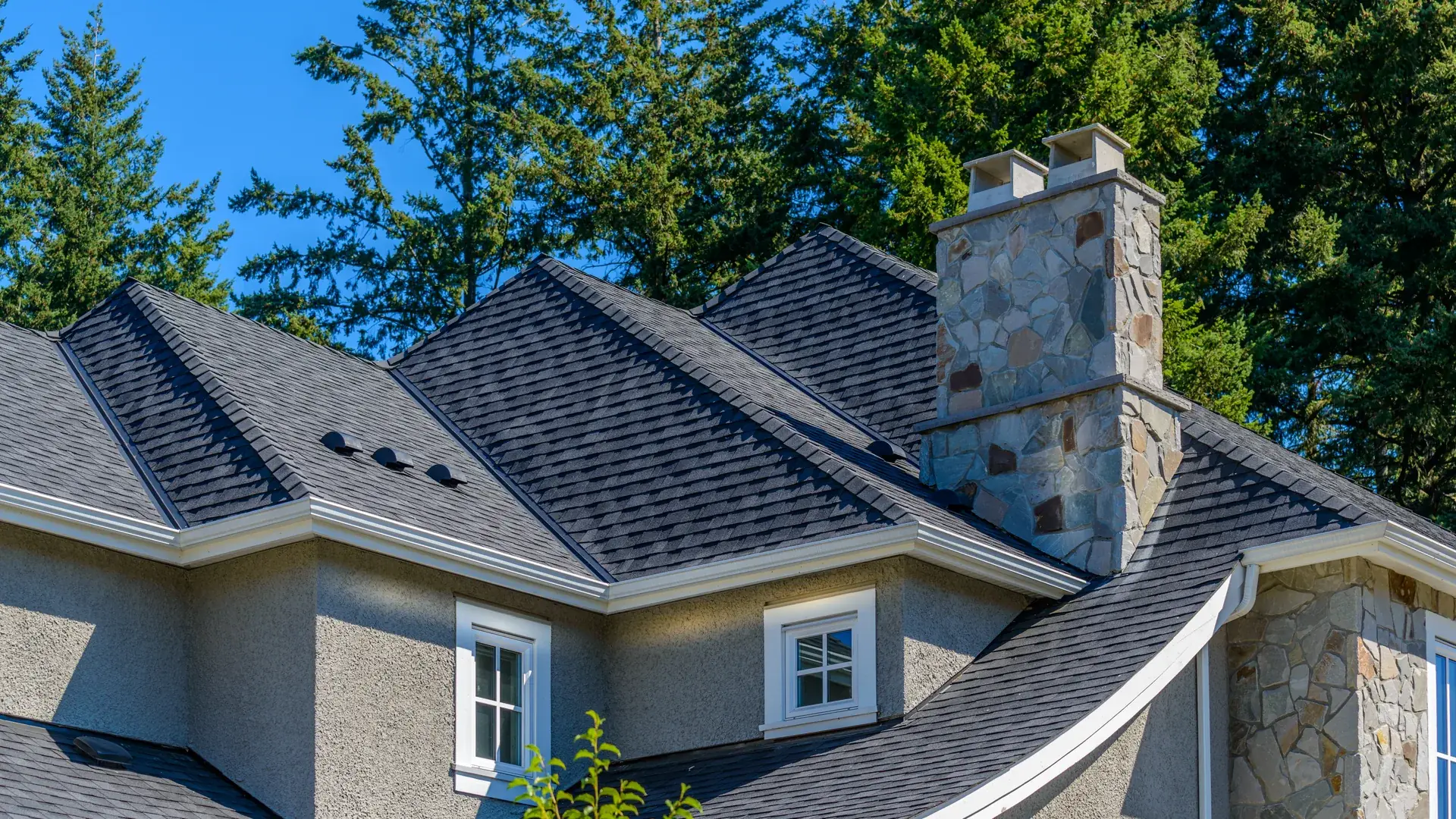
What ice and water shield is and the job it does
Ice and water shield is a self-adhering membrane, usually rubberized asphalt with a peel-off backing, that sticks directly to the roof deck before shingles go on. Unlike ordinary felt or synthetic underlayment, it seals around every nail driven through it. That one property is the whole point. When water gets under the shingles, and at the roof edge in winter it eventually will, the membrane keeps it from finding the thousands of nail holes that lead into your house.
You never see it on a finished roof. It matters anyway, because it is the last line of defense in the exact spots where shingles alone are known to fail.
Why ice dams form on Castle Pines roofs at 6,368 feet
Castle Pines sits at roughly 6,368 feet, among the highest incorporated cities in the south Denver metro, and altitude sharpens the freeze-thaw cycle that builds ice dams. Strong daytime sun melts snow on the upper roof even when the air is below freezing. The meltwater runs down to the cold overhang at the eave, where there is no warm attic beneath it, and refreezes into a ridge of ice. Water pooling behind that ridge backs up under the shingles.
Our ponderosa pine canopy makes it worse on certain slopes. A north-facing roof plane shaded by mature pines can hold snowpack for weeks after a storm, feeding the melt-refreeze cycle day after day. Those shaded north edges are exactly where we find the water stains when a roof was built without an ice barrier.
The 2021 IRC ice barrier rule in plain English
The 2021 International Residential Code, the code family adopted here, sets the default: in areas with a history of ice forming along the eaves, a self-adhering ice barrier must run from the lowest edge of the roof up to a point at least 24 inches inside the exterior wall line of the house. Not 24 inches up the slope. Twenty-four inches past where your heated living space begins, which on a home with deep overhangs can mean two or even three courses of membrane.
That is the code default, and local jurisdictions can amend details, so confirm how it applies to your address with the Castle Pines Building Division before work starts. What we can say plainly: at this elevation, with our winters, treating the eave membrane as optional is a bet against physics.
Valleys and penetrations, the other zones good crews cover
The eave rule gets the attention, but eaves are not the only place a roof concentrates water. Valleys collect runoff from two planes and carry it in a fast, focused stream, and in winter they hold snow longer than open field shingles. Chimneys, skylights, and plumbing penetrations each punch a hole in the roof plane that flashing must negotiate. A crew that cares runs membrane in every valley and wraps it around penetrations before counterflashing goes on.
Little of that is spelled out the way the eave requirement is. It is simply what separates a roof built to pass from a roof built to last, and it costs a few hundred dollars in material on a typical house.
What skipping the ice barrier looks like two winters later
The failure is slow and quiet. Year one, a small dam forms and the water finds a nail hole. It soaks insulation and wicks along the top plate of the exterior wall where nobody sees it. Year two, the stain finally shows: a tan halo on the ceiling near an outside wall, peeling paint above a window, a musty smell in a soffit bay. By the time it is visible, the wet insulation and drywall repair often cost more than the membrane would have on the whole roof.
Worse, this damage reads as a maintenance issue, not storm damage, so it is rarely an insurance conversation. It lands on you.
How ice and water shield should appear on a roofing bid
A straight bid names the product type and where it goes: ice barrier at all eaves to the code coverage line, plus valleys and penetrations, listed as its own line. A bid that just says "includes underlayment" is worth a follow-up question, because felt and ice barrier are not the same thing and the price difference is real. This is also one of the items an inspector checks mid-project, which we cover in our guide to roofing permit inspections in Castle Pines.
Every roof replacement we quote spells out the membrane zones in writing. If you want to know what your current roof has at the eaves, call (720) 924-4814 and book a free inspection. We will tell you what is under there, with photos.
Questions Castle Pines homeowners ask
Under the 2021 IRC default, an ice barrier is required at the eaves in areas with a history of ice dams, and most Front Range jurisdictions inspect to some version of that rule. Local amendments vary, so confirm requirements for your address with your building department before a re-roof is priced.
The 2021 IRC default runs the membrane from the roof edge to at least 24 inches inside the exterior wall line of the building. Deep overhangs push that coverage higher up the slope, sometimes requiring multiple courses. Valleys are typically membraned along their full length as well.
Not practically. The membrane bonds to the bare deck beneath the shingles, so a true retrofit means removing roofing at the eaves and edges. Most homeowners add it at replacement time, which is why it belongs in writing on every re-roof bid you compare.
Want this checked on your own roof?
Free inspection · claim-ready photo report · no pressure